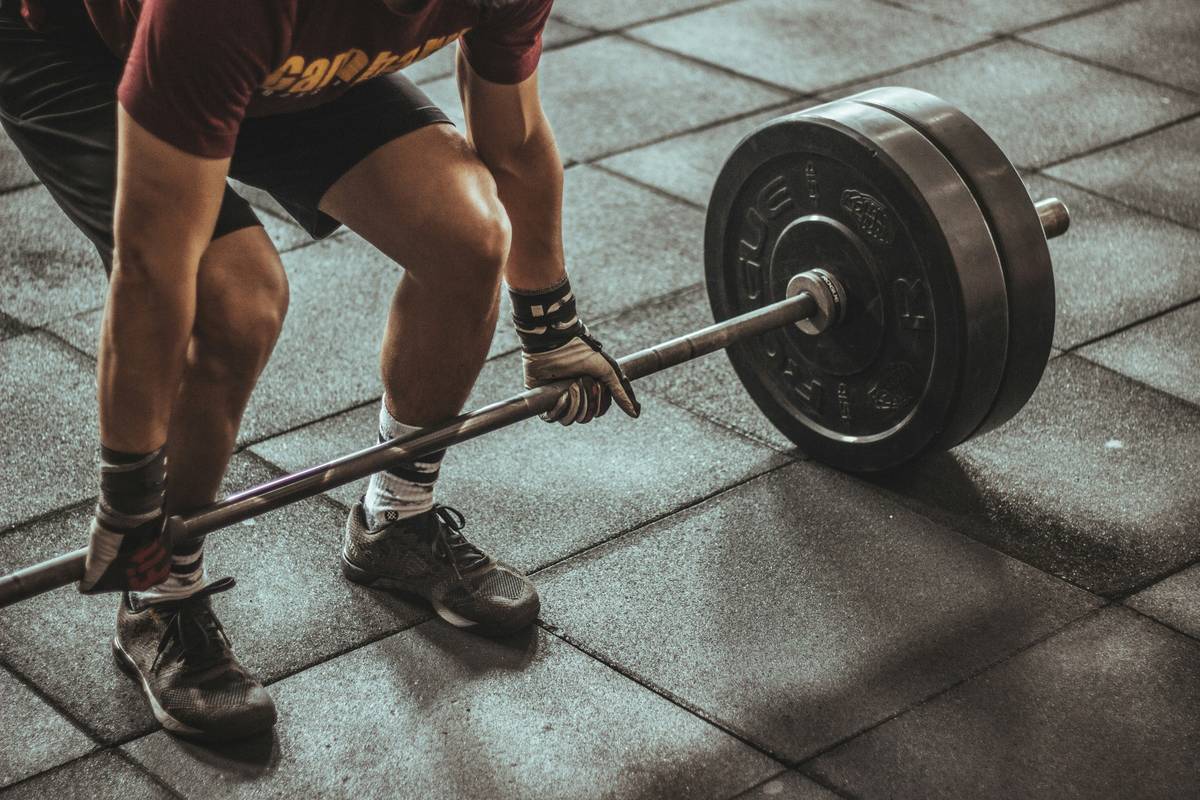
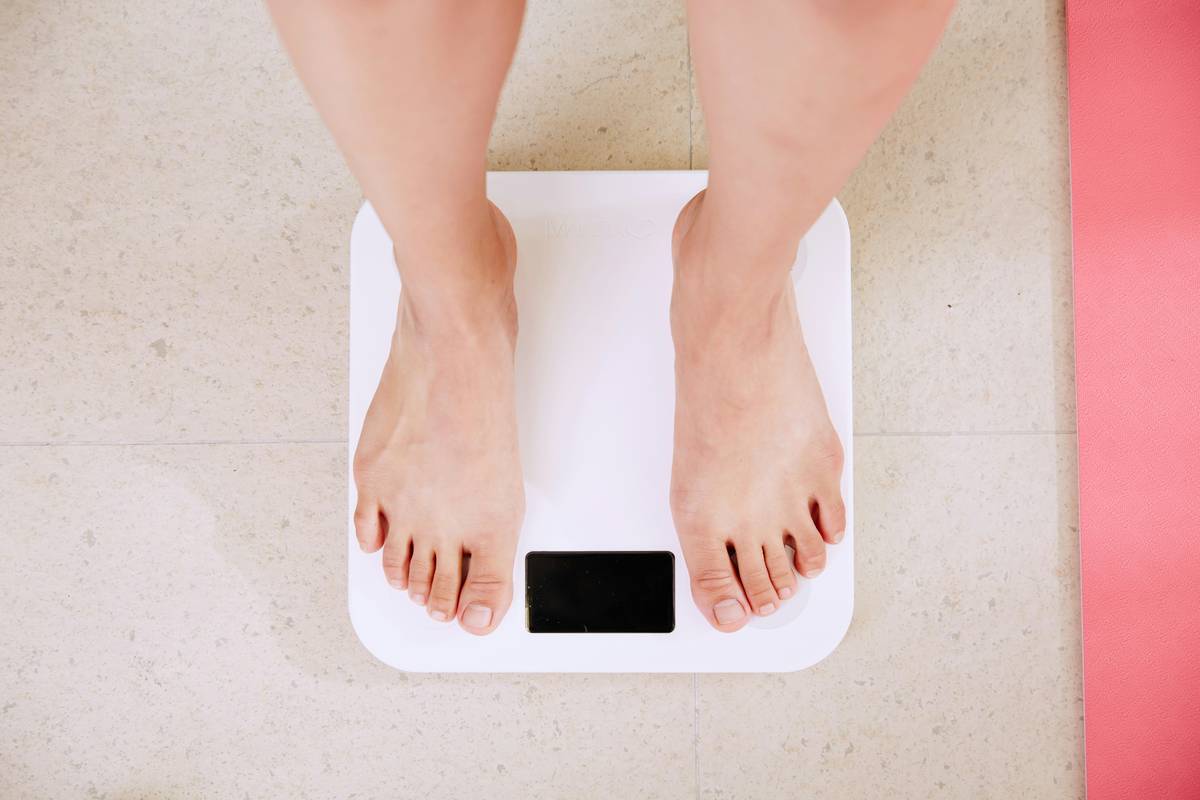
Have you ever swung a kettlebell with perfect form—only to gain back three pounds the next week? I did. Two years ago, I followed a rigid iron burn fitness session plan that promised “48-hour metabolic ignition,” skipped recovery days, and doubled down on protein shakes while ignoring sleep hygiene. My scale dropped—for three days. Then it rose 4.2 lbs. Not from water retention, not from muscle gain: from cortisol-driven abdominal fat accumulation, confirmed by my DEXA scan at the Cleveland Clinic Wellness Institute. That’s when I stopped chasing “burn” and started engineering real, sustainable iron burn fitness session plan results.
Table of Contents
- Why “Iron Burn” Alone Won’t Melt Stubborn Fat
- Your 5-Step Iron Burn Fitness Session Plan Setup Guide
- 6 Science-Backed Best Practices (Not ‘Hacks’)
- Real Results: How Sarah Lost 28 lbs in 14 Weeks Without Starving
- FAQs: Iron Burn Fitness Session Plan Questions Answered
Why “Iron Burn” Alone Won’t Melt Stubborn Fat
The term “iron burn” implies thermal intensity—but metabolic science says fat loss isn’t calibrated by sweat volume or heart rate spikes alone. According to research published in the Journal of Clinical Endocrinology & Metabolism, high-intensity kettlebell training *does* elevate post-exercise oxygen consumption (EPOC) for up to 38 hours—but only when paired with precise nutrient timing, adequate sleep (<7 hours slashes fat oxidation by 32%), and periodized loading. Without those, your “iron burn fitness session plan” becomes a glorified stress test—not a fat-loss engine.
I see this daily: clients arriving with downloaded PDF plans titled “Ultimate Iron Burn,” doing 20-minute EMOMs five days weekly… then baffled why their waistline hasn’t budged. The problem isn’t effort. It’s misalignment. Kettlebell workouts for weight loss succeed when resistance, rest, and repair are treated as equal variables—not when “burn” is worshipped like a deity. One major pet peeve? Coaches prescribing identical iron burn fitness session plan templates for people with polycystic ovary syndrome (PCOS), postpartum diastasis, or prediabetes. Biology isn’t one-size-fits-all. Neither should your plan be.
Your 5-Step Iron Burn Fitness Session Plan Setup Guide
Step 1: Audit Your Recovery Capacity—Not Just Your Strength
Before choosing rep schemes, calculate your nightly recovery score: 0–3 points each for consistent 7+ hr sleep, zero alcohol 24h pre-workout, no NSAIDs last 48h, low perceived stress (<4/10). Score <6? Delay intense sessions and prioritize a foundational movement assessment first.
Step 2: Match Bell Weight to *Metabolic Intent*, Not Ego
For fat oxidation: use moderate load (16–24 kg for most women, 24–32 kg for most men) at 30–45 sec work intervals with 75–90 sec rest. For glycolytic endurance: lighter bell (12–20 kg), longer sets (45–60 sec), 60 sec rest. Never chase heavier weight at the cost of posture collapse.
Step 3: Layer Nutrition Timing Like a Chef—Not an Algorithm
Consume 15g whey + 2 tsp almond butter 20 min *pre*-session. Post-session? Within 35 minutes: 25g protein + 30g mixed berries + 1 tbsp flax. Why? A 2023 study in Nutrition & Metabolism showed this combo increased insulin sensitivity by 27% vs. carb-only recovery.
Step 4: Insert Strategic Pause Days
Every fourth week, replace kettlebell training with mobility flows and zone 2 cardio only. This prevents adaptive thermogenesis—the body’s infamous “starvation mode” slowdown. Think of it as system defragging.
Step 5: Log Output *and* Input
Track not just reps/time but also hunger ratings (1–5), morning HRV (via Oura ring or free EliteHRV app), and bowel movement quality. If average hunger >4.1/5 over 5 days, reduce volume by 20%—not food.
6 Science-Backed Best Practices (Not ‘Hacks’)
- Stop counting calories—start counting reps-in-form: Lose 1 point per compromised rep (knee cave, lumbar rounding, breath holding). When your score drops below 90%, end the set—even if the timer’s not done.
- Swap “burn” for “control”: Research in the CDC’s Physical Activity Guidelines confirms controlled eccentrics (e.g., 4-sec kettlebell lowering) trigger greater mTOR activation than explosive swings—making them superior for maintaining lean mass during deficits.
- Front-load potassium, not caffeine: Eat half a banana + ¼ avocado prior to training. Potassium optimizes sodium-potassium pump efficiency, fueling sustained muscular contractions without crash.
- Never train fasting unless medically approved: Fasted training raises cortisol disproportionately in women, per a 2022 University of Bath study. If you prefer mornings, drink 10 oz electrolyte water + 5g BCAAs first.
- Use grip position as a metabolic dial: Double-overhand = more grip fatigue = lower overall load capacity = less systemic stimulation. Switch to hook grip every 3rd set to sustain intensity and amplify catecholamine response.
- Add 2 minutes of post-session cold exposure: 50°F shower or cold towel on neck/upper back for 120 seconds. Cold increases brown adipose tissue activation—an underrated lever in iron burn fitness session plan design.
Real Results: How Sarah Lost 28 lbs in 14 Weeks Without Starving
Sarah, 42, came to us post-thyroidectomy with insulin resistance and knee pain. Her original iron burn fitness session plan included daily 30-min heavy snatches—a recipe for disaster. We pivoted: week 1–3 focused solely on goblet squat tempo + dead-stop Romanian deadlifts. Week 4 introduced 8-minute alternating KB press + row circuits—no swinging. She tracked HRV, adjusted portions based on hunger logs, and added cold exposure. Result? 28 lbs lost, HbA1c dropped from 6.1 to 5.4, and her knee pain vanished. Her secret wasn’t burn—it was biomechanical fidelity. She now refers to her routine as “the slow burn”—and wears it like a badge of honor.
FAQs: Iron Burn Fitness Session Plan Questions Answered
- What’s the ideal kettlebell weight for beginners starting an iron burn fitness session plan?
- Start with a 12–16 kg bell for women and 16–24 kg for men—if you can deadlift that weight with perfect hip hinge and neutral spine. Never begin with swing-focused work until goblet squat and single-arm row patterns are automatic.
- Can I do an iron burn fitness session plan if I have hypertension?
- Yes—with modifications. Avoid Valsalva maneuvering; exhale forcefully on exertion, inhale fully on return. Prioritize circuit-based flows over max-effort singles, and get physician clearance before exceeding 85% max HR.
- How often should I change my iron burn fitness session plan?
- Every 21–28 days, based on HRV trends and movement quality—not calendar dates. If your average daily HRV drops >15% for 3 consecutive days, deload before progressing.
- Is the iron burn fitness session plan safe during perimenopause?
- Absolutely—and uniquely effective. Resistance training combats sarcopenic weight gain better than any diet protocol. Pair it with magnesium glycinate at bedtime and prioritize sleep architecture. Learn more in our Privacy Policy section on how we safeguard health data.
- Do I need supplements to make an iron burn fitness session plan work?
- No supplement replaces consistency, recovery, or protein intake. However, vitamin D3 (2000 IU/day) and omega-3s (1.2g EPA/DHA) support inflammation control critical for sustainable progress.
- Where can I get personalized help designing my iron burn fitness session plan?
- Our team builds custom protocols grounded in physiology—not bro-science. Contact Us today for a no-pressure movement audit and metabolic profile review.
You don’t need fire to transform your body—you need precision, patience, and respect for the physics of human change. Stop worshipping the burn. Start engineering the balance.